Table Of Content

Remember to provide adequate spacing between plants to allow for their mature size. This will prevent overcrowding and ensure each plant has enough room to thrive. However, if composting isn't your speed, you can use a slow release fertilizer such as plant tone or another low ratio product.
Creating a Pollinator-Friendly Garden With Coneflowers
To get a head start on the growing season, you can start the seeds indoors 6 to 8 weeks before the last frost date in your area. Fill small pots or flats with soilless potting mix and place 3 to 4 seeds in each pot. Once the seedlings emerge, place them under grow lights or in a south-facing window. Consider pairing coneflowers with other perennials such as lambs-ears, big betony, wood betony, or globe thistle to enhance their beauty even further. Not only will this combination add color and texture to your garden. Creating a pollinator-friendly garden with coneflowers is easy.
Find Landscape Architects & Designers to Help Get the Job Done
It can affect hundreds of different flowers, not just those in the aster family. If you'd like to save the seed, wait until the cone has fully dried—it should be darker in color and stiff to the touch. The seeds are attached to the sharp spines, so you'll want to wear gloves, and separate the seeds from the cone. Spread them on a paper plate or screen to dry thoroughly before storing.
Coneflower Echinacea
This easy-care, sun-loving design is a great introduction to perennial gardening. Add this classic perennial to your garden to enjoy its colorful blooms and to draw wildlife. We unearth what is hidden and cultivate with our landscape design, experiences that are both unique and vibrant. The phrase “there is no away” has become a tenet guiding Apiary Studio, a Philadelphia landscape firm founded in 2015 by Ms. Keen’s partner, Hans Hesselein, a landscape architect.
Buy the biggest coneflower plants you can find
Dig up, divide, and replant the root clumps to keep the plants vigorous. This is a good time to propagate new plants and give prized varieties to friends and neighbors. They are heat and drought resistant, easy to grow, bloom for months, make great cut flowers, and attract birds and pollinators.
Easy Streetside Garden Plan
Globe thistle is one of the most elegantly colored plants around. It has fantastical large blue balls of steel blue flowers in midsummer, which would be enough. But making it even more lovely are its large coarse grayish-green leaves, which set off the flower beautifully. If you can bear to separate them from the foliage, globe thistle makes a great cut flower, lasting for weeks in the vase.
When it comes to caring for your coneflowers, remember that they require full sun and well-drained soil with good drainage. Regular watering of about an inch per week and a light layer of compost added in the spring will help keep them healthy. Pruning spent blooms will encourage a second round of blooms, while leaving stalks and seed heads during fall provides winter interest and food for birds. Once your coneflowers have grown into healthy plants, you can enjoy their vibrant blooms and attract pollinators to your garden. In conclusion, creating a stunning coneflower garden design requires careful planning and consideration.
Light
What Flowers Grow Well Together? Try These 28 Pretty Combinations - Better Homes & Gardens
What Flowers Grow Well Together? Try These 28 Pretty Combinations.
Posted: Tue, 19 Dec 2023 08:00:00 GMT [source]
Note that coneflowers usually don’t bloom the first year after starting them from seed. Repot the coneflower to a larger pot with fresh potting mix when the root system has reached the sides of the container, or the roots grow out of the drainages holes. If planted in too much shade, they tend to get leggy and flop.
Utilize organic pest control methods and regular inspections to identify and address issues promptly, ensuring the longevity of your coneflower garden. Dig up the plant, divide the root ball into sections, and replant in a new location. Make sure to water well and provide adequate sunlight for successful transplanting. Remember to give each plant enough space to grow properly and thrive. Proper spacing ensures that each plant receives adequate sunlight and airflow for optimal growth. Coneflowers are versatile plants that can thrive in different types of landscapes, from urban gardens to cottage gardens.
In hot humid climates, lamb's-ears may "melt down" in summer, becoming brown and limp. A different but related plant, big betony is worth growing for its shade tolerance, dark green crumpled leaves, and bright purple spikes of whorled 1-inch flowers in late spring. Embarking on the journey of creating a stunning coneflower garden is an exciting endeavor for any gardening enthusiast. If you want to propagate coneflowers from seed, collect seeds from a species or purchase them from a nursery. To start the seeds, keep the soil evenly moist and germination should occur in about 4 weeks. It’s important to note that they usually don’t bloom in the first year after starting them from seed.
Have you noticed the cone on your coneflower is distorted but the rest of the plant looks fine? This is often caused by a tiny mite inside the flower bud called the coenflower rosette mite. It sucks nutrients, disfiguring the cone and can spread to other coneflowers by wind, animals and birds.The damage from this pest is mostly cosmetic. So to get rid of it cut off damaged flowers and send them away in the trash. In fall cut back infested plants and send the foliage away, too, to prevent the mite from overwintering in your garden.
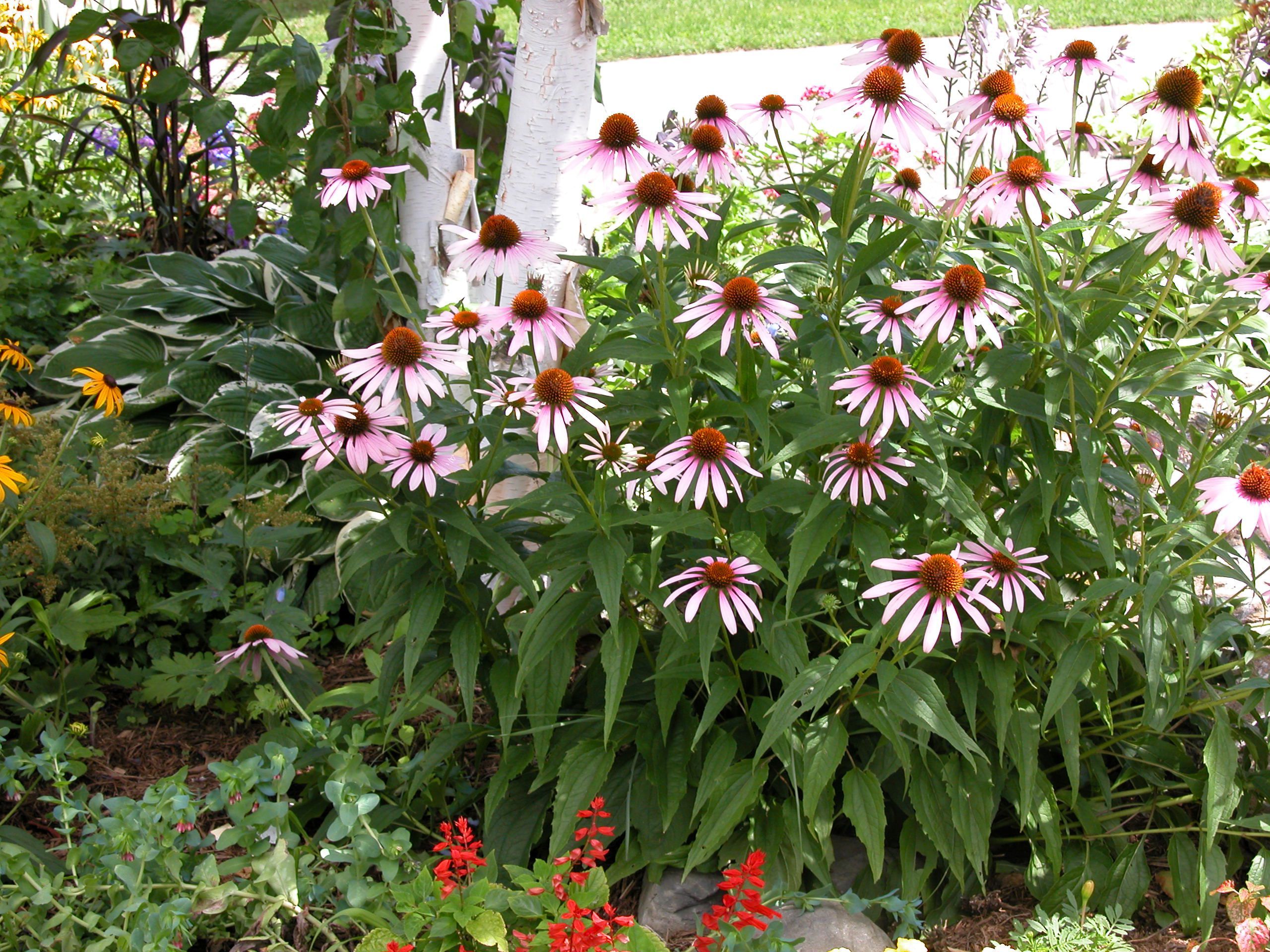
The fragrant blooms contrast nicely with the deep green foliage. Plant in a mixed border, native landscape, container or cutting garden. Purple coneflower (Echinacea purpurea) is the most common variety (and has more of a pinkish, mauve shade than a true purple). Coneflowers also can bloom in shades of white, cream, red, orange, and yellow. Purpurea, a familiar dusky purple daisy-like flower with a prominent orange center. Coneflowers are trouble-free but just watch out that you don't overwater the plant or root rot and fungal diseases like powdery mildew can occur.
Coneflowers like plenty of sun and average, well-drained soil. Like any perennial, you’ll want to water new plants the first summer, to get them safely established. The yellow, orange and red ones can be a little tougher to get to survive for several years.
Second-year and older plants may only need watering during droughts. Coneflowers grow well from seed and can be divided to make new plants. They can also be grown from stem cuttings, but often with less success. They're easily found in garden centers and can also be purchased via mail order. Coneflowers start blooming in early summer and will repeat-bloom throughout the first frost. They may take a break after their initial bloom period, but they will quickly set more flower buds.


No comments:
Post a Comment