Table Of Content
Plants may benefit from some light afternoon shade in hotter climates. SOURCEBOOK FOR CONSIDERED LIVINGThe definitive guide to stylish outdoor spaces, with garden tours, hardscape help, plant primers, and daily design news. If you garden where the ground repeatedly freezes and thaws during the winter, mulch over the plant with a 6-in. Turn your hell strip into a heavenly oasis of color and bloom with fuss-free native plants.
Landscape Contractors near Los Angeles
Now, armed with the knowledge from this beginner’s guide, go ahead and embark on your journey to a vibrant coneflower garden that captivates and inspires. Plant them in groups for a bold statement and combine them with other perennials for a vibrant display in your garden. By planting them in clusters, you can create a stunning focal point that will catch the eye of anyone who walks by.
Easy-Care Summer Garden Plan
To start coneflowers from seed outdoors, wait until all danger of frost has passed. To plant a coneflower that you purchased from a nursery, dig a hole about twice the diameter of the pot and about the same depth. Place the plant in the hole and fill in the original soil to the top of the root ball.
Purple Coneflower
Kim used digital techniques to create a landscape plan for her new home in South Korea. There are site assessment exercises at the beginning of the course that take place outdoors and require some time and planning to complete. Students who begin and complete these exercises in a timely manner will experienced success in this course.
Soil and Water
Purple coneflower, or Echinacea purpurea, is by far the most popular variety of coneflower. While coneflower welcomes good critters, it also attracts the bad—specifically, wasps, ants, and leafhoppers. "Aster leafhoppers are long narrow, green to brown insects," says Roethling, noting that these insects should be removed from your garden immediately. To prevent bugs, make a solution of soapy water and gently spray the pedals and leaves of your coneflower. Coneflowers should be planted in spring after the threat of frost is over.
Green Jewel (Echinacea purpurea 'Green Jewel')
Gardening & Landscaping Ideas - Southern Living
Gardening & Landscaping Ideas.
Posted: Thu, 01 Jun 2023 20:43:23 GMT [source]
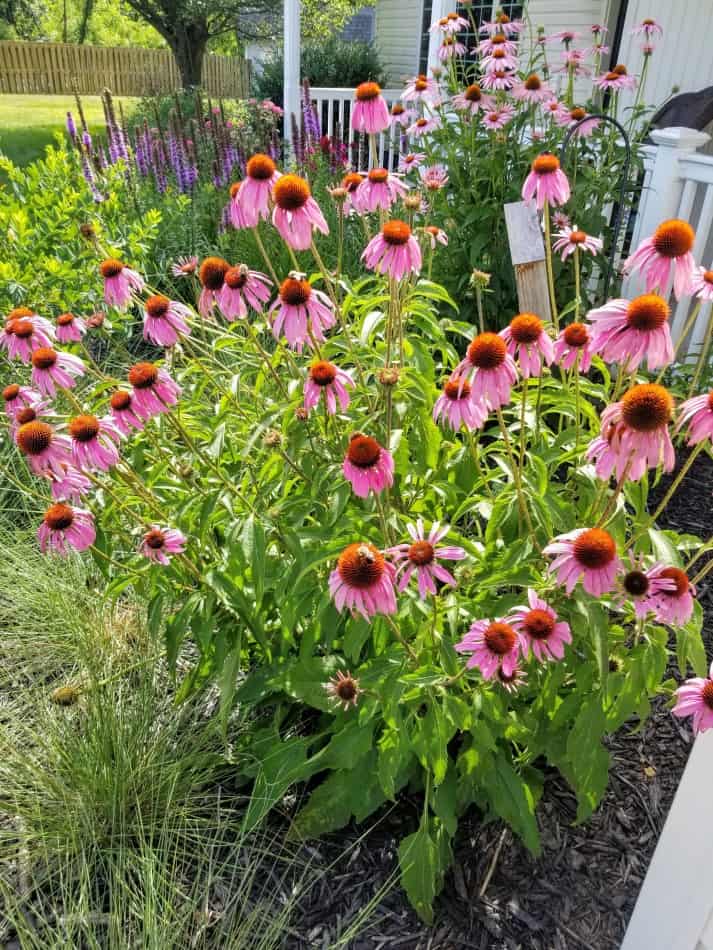
Incorporating coneflowers into your garden design can create a stunning visual impact. Their vibrant purple hues can be paired with other purple flowers like lavender or salvia for a cohesive look. You can also mix them with contrasting colors like yellow or orange to create an eye-catching color scheme. Planting them in groups can make a bold statement and provide visual interest. Pruning coneflower isn't a necessity, but it can be done by cutting back the bare stalks to the ground once the growing season is over. During the growing season, though, you can deadhead any spent or dying blooms to encourage more growth.
Researching Coneflower varieties
Display by themselves or with other summer-blooming flowers such as daisies, black-eyed Susan, salvia or hydrangea. This vigorous grower can spread 1 to 3 feet wide, depending on the variety. A quintessential prairie wildflower, sturdy coneflower daisies are native to North America and colorful companions to asters, yarrow, and salvia in a summer border. Most Coneflower varieties share the same care characteristics like light requirement, soil and water, temperature, and humidity.

Sharon Shutler: Low-maintenance landscape
Bring Summer Color and Wildlife to Your Garden with This No-Fuss Bird and Butterfly Garden Plan - Better Homes & Gardens
Bring Summer Color and Wildlife to Your Garden with This No-Fuss Bird and Butterfly Garden Plan.
Posted: Thu, 14 Jul 2022 07:00:00 GMT [source]
Feature this compact well-branching variety in mixed borders, mass plantings or containers. Now that you’ve learned how to propagate coneflowers from seed to transplanting, let’s talk about dealing with common pests and problems in your coneflower garden. Overall, by selecting suitable companion plants like lambs-ears and globe thistle for your coneflowers, you can create a stunning garden that will be admired by all who visit. Coneflowers, also known as echinacea, thrive in full sun and are a magnet for bees, hummingbirds, and other beneficial insects.
If you want to prevent this, deadhead flowers shortly after they fade. Achieving success with coneflowers starts with proper planting techniques. Plant them in early spring or fall, allowing the roots to establish before the growing season. Dig a hole slightly larger than the root ball, ensuring that the crown is level with the soil surface. Water thoroughly after planting to promote root development and reduce transplant shock.
Coneflowers make good container plants, either on their own or in a planter with shorter filler plants. Select a tall 1-gallon container to fit the taproot of the coneflower and make sure it has large drainage holes. Fill it with a combination of well-draining potting mix and compost. Keep in mind that container plants require more frequent watering and fertilization than plants in the landscape.
Late in the season, leave the seed heads to provide food over fall and winter for songbirds. While the plain old purple coneflowers (and their white siblings) will grow almost anywhere, the yellow, orange and red ones need full sun and rich, moist, well-drained soil. Adding some compost to the bed before you plant will make them happier, too. Something exciting has happened to the humble native coneflower over the past decade. Breeders have put their best efforts toward developing new and improved colors and forms of this easy-growing native perennial wildflower.
Mulching with organic materials helps retain moisture and suppress weeds, contributing to the overall health of your coneflower garden. These flowers are rich in nectar and very popular with both bees and butterflies. Hummingbirds also enjoy coneflowers, and birds like finches eat (and spread) the seeds. Color Coded® ‘The Price is White’ (Echinacea hybrid) adds elegance to the landscape with white horizontal petals and a yellow-green center cone. Color Coded® ‘Yellow My Darling’ (Echinacea hybrid) has rich yellow flowers that age to creamy yellow.

It is named for the spiny cone-shaped flower center encircled by slender petals in shades of pink, purple or white. Newer varieties come in single and double forms and new coneflower colors such as orange, green, peach and coral. The flower nectar feeds hummingbirds, bees and butterflies, while songbirds feast on the seeds through fall and winter.
They're colorful, heat- and-drought resistant, easy to care for, offer a nonstop supply of blooms, and attract pollinators. A part of the daisy family, coneflower is the common name for Echinacea purpurea as well as a handful of other Echinacea species. The plant thrives in USDA gardening zones 4 through 9 and can grow up to 24 inches tall at maturity. Making a coneflower garden design is a perfect choice cause this pretty easy-to-grow container plant has many varieties and colors ranging from orange and yellow to pink and purple. Native to North America, coneflowers attract pollination and birds. This blog post will provide tips and ideas for incorporating coneflowers into your garden design.
It's hard to find a garden without at least one variety of the bloom. Bee Balm (Monarda) is a striking perennial with tubular flowers that range in colors from bright red to pink, purple, and white, set atop tall stems with fragrant minty leaves. When paired with Coneflowers in the garden, the visual contrast is remarkable. Coneflower’s daisy-like petals stand out against the unique, crown-shaped blossoms of Bee Balm. Both plants are not only aesthetically pleasing together but also serve a functional purpose by attracting a plethora of pollinators, such as bees, butterflies, and hummingbirds. This combination offers a vibrant display while fostering a thriving ecosystem in the garden.


No comments:
Post a Comment